If you’re thinking about straightening your teeth, the two most popular options are Invisalign® clear aligners and traditional braces. Both can achieve excellent results — but the right choice depends on your lifestyle, your orthodontic needs and your personal preferences.
This guide explains the differences between Invisalign® and braces, helping you understand which treatment might suit you best. For personalised advice, the team at Bax Dental in Macclesfield can assess your smile and recommend the most effective approach.
What Is Invisalign®?
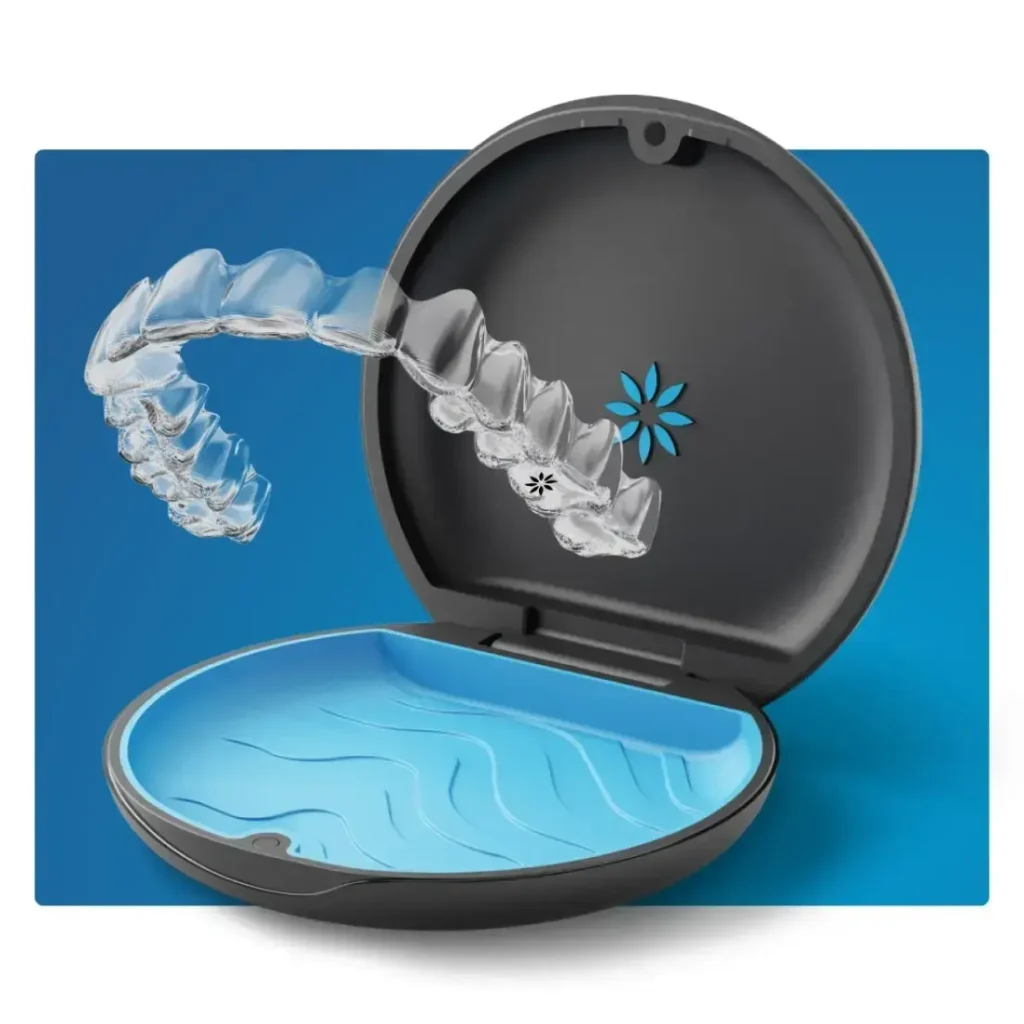
Invisalign® uses a series of clear, removable aligners to gradually move your teeth. These aligners are custom-made from smooth, BPA-free plastic and are almost invisible when worn.
Key benefits of Invisalign®
- Discreet: Hardly noticeable during everyday conversations.
- Comfortable: No brackets or wires.
- Removable: Eat what you like and brush normally.
- Predictable: Digital scans and planning map out your full treatment journey.
- Lifestyle-friendly: Ideal for work, social events and active lifestyles.
What Are Traditional Braces?
Braces involve fixed metal or ceramic brackets attached to your teeth, connected by wires that gradually shift them into position. They’re effective for a wide range of orthodontic issues.
Key benefits of braces
- Highly effective for complex cases
- Always working (since they can’t be removed)
- Suitable for severe rotations or bite correction
- Option of ceramic brackets for a more discreet look
Invisalign® vs Braces: Head-to-Head Comparison
1. Appearance
- Invisalign®: Nearly invisible; most people won’t notice you’re wearing them.
- Braces: Visible brackets and wires, although ceramic braces are less noticeable.
Best option for discretion: Invisalign®
2. Comfort
- Invisalign®: Smooth plastic aligners; fewer mouth irritations.
- Braces: May cause rubbing or soreness around brackets and wires.
Best for comfort: Invisalign®
3. Eating & Lifestyle
- Invisalign®: Remove aligners to eat, drink and brush. No food restrictions.
- Braces: Certain foods must be avoided (chewy, sticky, hard foods).
Best for flexibility: Invisalign®
4. Oral Hygiene
- Invisalign®: Brush and floss normally — no brackets to navigate.
- Braces: Brushing requires extra care around brackets and wires.
Best for hygiene: Invisalign®
5. Treatment Suitability
- Invisalign®: Great for mild to moderate misalignment; increasingly effective for complex cases too.
- Braces: Best for very complex movements, severe crowding or major bite issues.
Best for complex cases: Braces
6. Treatment Duration
Both treatments take roughly similar time for most cases: 6–24 months, depending on complexity.
7. Cost
Costs are generally comparable, depending on your case and clinic. The Bax Dental team will give you a clear estimate during your consultation.
Which Should You Choose?
Both options can straighten your teeth effectively — but your choice depends on your lifestyle, aesthetic preferences and clinical needs.
Choose Invisalign® if you want:
- A discreet, near-invisible treatment
- Removable aligners
- Greater comfort
- Fewer lifestyle restrictions
- Easy brushing and flossing
- Predictable, digitally planned results
Choose Braces if you need:
- Major bite correction
- Very significant tooth rotation
- A treatment that’s always in place, working continuously
Still Unsure? Let’s Help You Decide
At Bax Dental in Macclesfield, we offer expert assessments to help you understand whether Invisalign® or braces are the best choice for your smile. We’ll examine your teeth, explain your options and create a personalised treatment plan.