
Tooth Brushing Instructions
Tooth Brushing Instructions
TBI – stands for tooth brushing instructions.
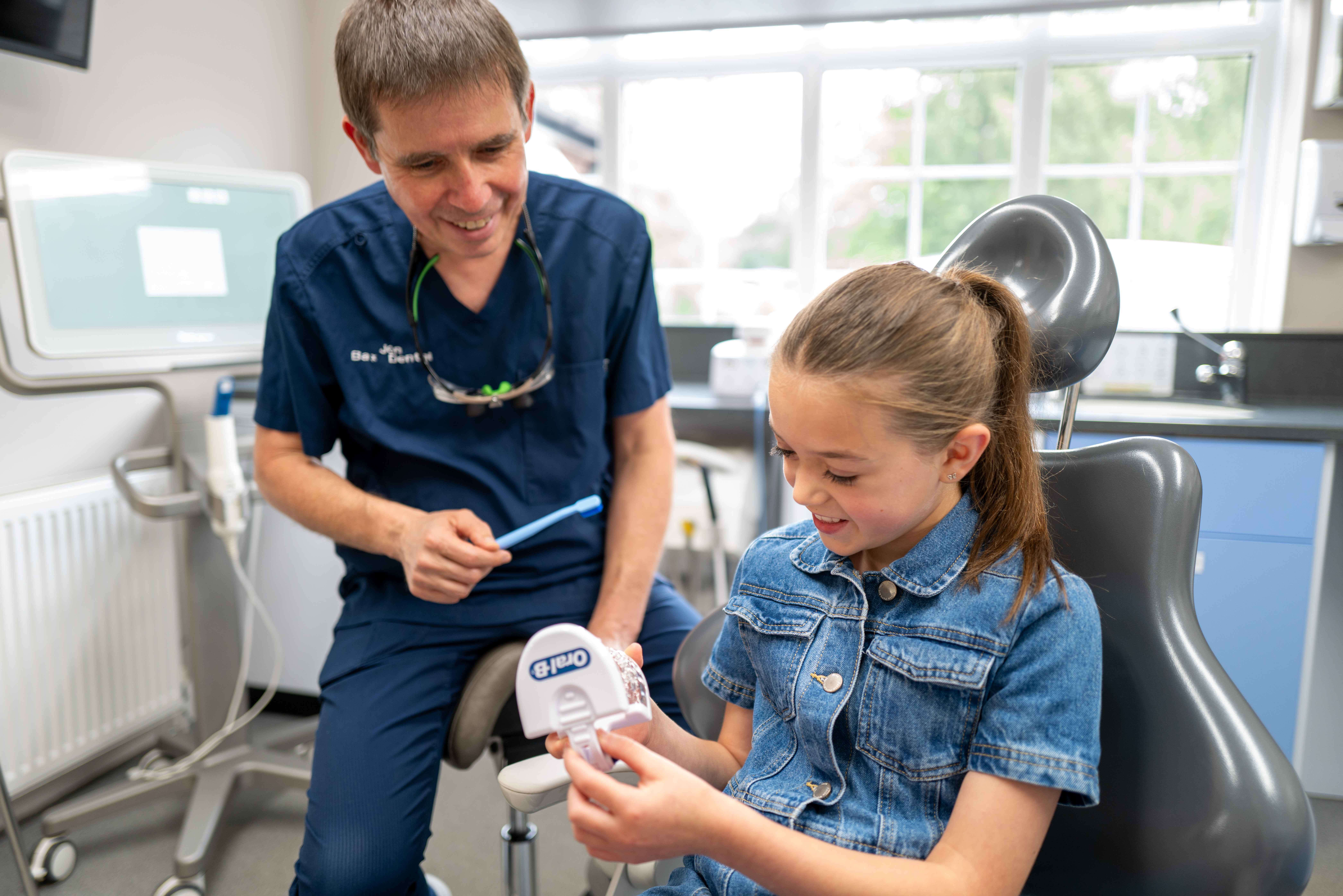
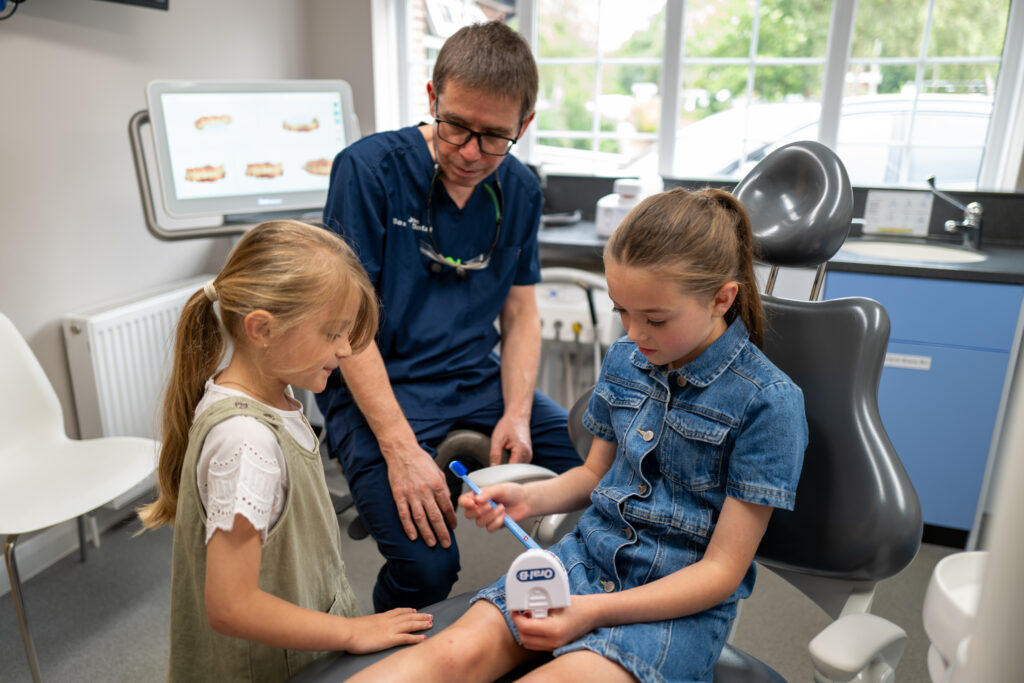
TBI refer to guidance and dental hygiene education; Here at Bax Dental we have a fantastic team of dental hygienist who provide our patients with an in depth personalised ‘at home’ advice to equip them with the necessary knowledge to maintain a health mouth.
Brushing your teeth helps remove plaque and bacteria that continually form on teeth and around the gumline. When not removed regularly, plaque can lead to cavities, tooth decay, and even periodontal disease. A proper brushing technique can protect teeth from decay and disease.
Your step-by-step guide
Step 1: Brush all areas of your mouth (upper/lower) (left/right) – work through every quadrant thoroughly. Going tooth by tooth can help you slow down and not miss any spots.
Step 2: Tilt your brush at a 45° angle. Brush against the gumline to get rid of any trapped plaque or food debris. Gently move the brush in a circular motion, tooth-wide strokes. If you have an electric toothbrush that rotates in circles, let it do the work! Hold it gently against each tooth, slowly move it to cover all surfaces of each tooth and gum line.
Step 3: Brush the inner surface of your teeth. Because the insides of your teeth are not as visible, skipping them is tempting, but these inner surfaces are just as vulnerable to plaque.
Step 4: Clean the chewing surfaces of your teeth. Please do not forget to brush the tops of your back teeth, where food can easily get trapped.
Step 5: Brush your tongue. For fresher breath, brush your tongue to remove odour-causing bacteria.
Tips for Better Toothbrushing
Implementing the right technique for brushing your teeth is an excellent start to proper oral hygiene. Make sure you also have the right tools and are avoiding common mistakes. Here are the answers to some frequent teeth brushing questions:
How long and how often should I brush my teeth?
Brush your teeth twice a day for (at least)* two minutes each time.
*if you have crowns, bridges, implants, gingival recession – you may be advised to clean for longer.
What type of toothbrush should I use?
Electric: We would advise an Oral B (circular rotation head toothbrush) the new IO is gold standard but anything from their range is usually highly effective.
*Keep an eye out for sales or offers in the supermarket, there is usually a deal on somewhere, to help you save money.
Manual brush: we would advise a Curaprox 5460 soft bristle brush, we sell them at our practice at reception.
What toothpaste should I use?
We would advise you use a toothpaste with at least 1450ppm of fluoride (you can find this information on the back of most toothpaste tubes). Brand wise, Colgate and Oral B are both great. If you suffer from sensitive teeth, we can advise Colgate Sensitive Instant Relief or GC Tooth Mousse from Amazon great for helping with sensitivity. You can also use the toothpaste like an ointment and leave it to soak into your teeth to help block the exposed, less protected tubules.
Can you brush your teeth too much?
Yes, if you brush too hard or too often it can lead to tooth wear/abrasion, gum recession, and sensitivity! Most electric toothbrushes these days come with smart technology that will let you know when you are brushing too hard (usually in the form of a bright red light). Then you can reduce the force you are applying and correct your technique to help.
How often should I replace my toothbrush?
We advise our patients to replace the toothbrush/toothbrush head every 3 months – if the bristles become splayed within this time, then you are brushing too hard!
We also suggest you change your toothbrush after any illness to help avoid reinfection.
Interproximal cleaning – TePes and Floss
Flossing
Effective flossing technique helps remove plaque and food particles in places where a toothbrush cannot easily reach, such as under the gumline and between your teeth. Because plaque build-up can lead to tooth decay and gum disease, daily flossing is highly recommended.
How to floss effectively?
- Starting with about 18 inches of floss, wind most of the floss around each middle finger, leaving an inch or two of floss to work with.
- Holding the floss tautly between your thumbs and index fingers, slide it gently up-and-down between your teeth.
- Gently curve the floss around the base of each tooth, making sure you go beneath the gumline. Never snap or force the floss, as this may cut or bruise delicate gum tissue.
- Use clean sections of floss as you move from tooth to tooth.
- To remove the floss, use the same back-and-forth motion to bring the floss up and away from the teeth.
- Our helpful team of trained dental professionals will be able to help you if you would like a demonstration provided at your next appointment with us.
If you struggle to floss with traditional ‘tape’ you could also try an electric ‘Water Flosser’ this machine is helpful for those of our patients with limited dexterity or strong gag reflexes.
TePe Brushes
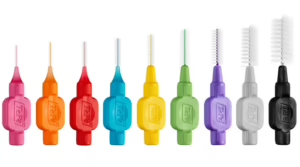
Everyone has different size gaps between their teeth, we tend to advise the brand ‘TePe’ they offer a large range of different sizes to suit everyone.
Top tip – When using TePes, ensure a snug fit and massage the gums. Avoid poking in and out or using too close to the contact points of the teeth as this may cause them to get stuck!
Begin implementing preventative oral care with the proper brushing technique. With daily flossing and regular visits to the dentist, correctly brushing your teeth can keep your smile fresh, healthy, and happy.
Children’s toothbrushing – infant:
Baby teeth play a huge factor in a child’s oral health.
Baby’s teeth start erupting anywhere from 6 months to 1 year old.
Once their teeth erupt, you will need to brush your baby’s teeth. Here is how:
- Make sure your baby is in a comfortable position that allows you to easily reach into their mouth.
- Place a smear or rice sized amount of fluoride toothpaste on a soft-bristled baby toothbrush.
- Using circular or wiggling motions, brush the surface of the teeth and along the gumline.
- Try to brush your baby’s teeth twice a day.
Please note that some of the information in this letter has been collected from Colgate website – they offer a range of helpful educational articles, that you can also access to get more information if you wish. Visit Colgate’s website, go to Oral Health and view all articles.
Precise clean

For clinicians, disclosing helps identify the exact locations of plaque build-up, allowing for more efficient and targeted removal of biofilm using tools like AIRFLOW. This eliminates guesswork and ensures 100% removal of plaque.
Dental emergency?
We schedule emergency slots daily to ensure we can offer our patients emergency treatment.